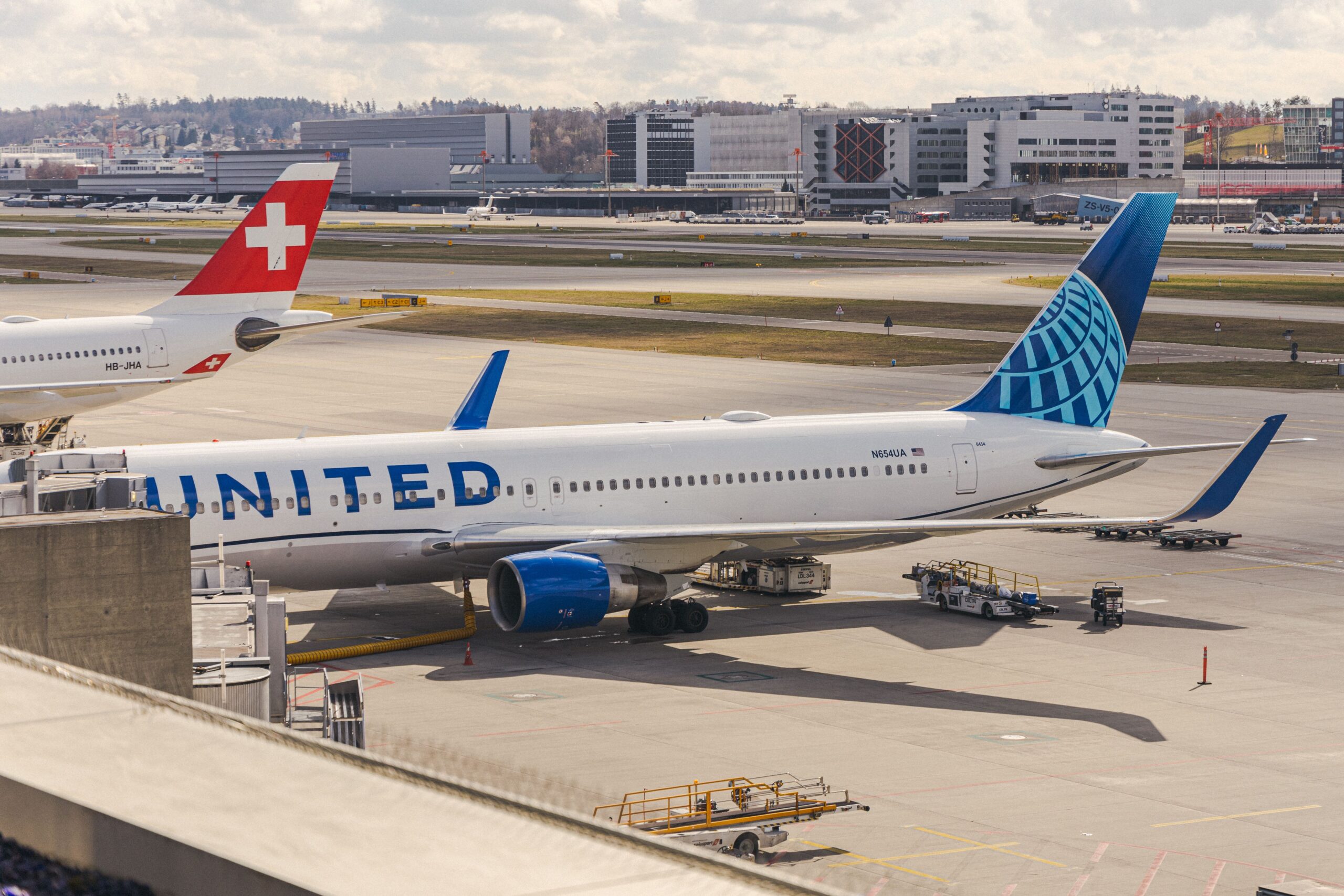
United Airlines CEO Scott Kirby has been chasing a wild idea: combining America’s biggest airlines into a single mega-carrier. Word broke recently that Kirby pitched a merger directly to American Airlines CEO Robert Isom. Unsurprisingly, Americans turned him down flat, pointing out the obvious, federal regulators would never let two industry giants merge. But instead of dropping it, Kirby went public, trying to convince skeptical travelers that shrinking airline choices down to one monster carrier would somehow be good for everyone.
Here is the kicker: American wasn’t even his first pick.
It turns out that back in 2025, Kirby actually called Delta CEO Ed Bastian to propose a United-Delta mega-merger. Delta’s executive team gave the idea a brief look during initial discussions, but the conversation fizzled out almost immediately. Both sides moved on, and only then did Kirby turn around and pitch American.
Kirby’s main argument rests on what he calls a “trade deficit” in international aviation. He claims foreign carriers are swallowing up too much international travel into the U.S., and that the only way American airlines can compete globally is by building one massive domestic titan. Delta sees it very differently. Bastian has stayed firm on his stance that mergers between the “Big Three” legacy carriers are completely off the table, and that any future industry consolidation should focus on smaller regional players instead.
Looking at the financial reality, it is easy to see why a Delta-United deal raised eyebrows. In 2025 alone, those two airlines generated roughly 90% of total U.S. airline industry profits. United sits at a market valuation of around $38 billion, while Delta is worth about $56 billion. While industry watchers have spent years guessing whether United might buy a mid-sized airline like JetBlue, Kirby has openly brushed off those smaller deals, claiming they aren’t big enough to move the needle.
On paper, combining United and Delta would be a dream come true for shareholders. The resulting giant would hold ridiculous market power, dictate ticket prices, and dominate airport hubs across the country. But for everyday travelers, it would be a total mess. Killing off competition on this scale would wipe out choices, drive up fares, and dismantle the global airline alliance system that keeps international flight prices somewhat in check.
So why push a deal that seems dead on arrival from an antitrust perspective? The timing tells you everything you need to know. Kirby appears to be banking on a friendlier regulatory environment under the Trump administration. Over the past year, he has gone out of his way to align himself with political leadership, likely setting up a play for unprecedented regulatory leniency.
To make his case, Kirby skips right past normal competition concerns and wraps the whole pitch in patriotic rhetoric. He freely admits fares might stay high, but claims passengers care more about overall value and a comfortable ride than cheap seats. He also claims a mega-merger would safeguard union jobs and boost U.S. manufacturing,a weak argument considering United buys hundreds of jets from European manufacturer Airbus right alongside domestic Boeing planes.
Ultimately, Kirby’s dream of a single American mega-carrier feels less like a serious business plan and more like a high-stakes gamble. Combining two of the country’s biggest airlines would definitely pay off for Wall Street, but everyday passengers would be the ones stuck paying the price.