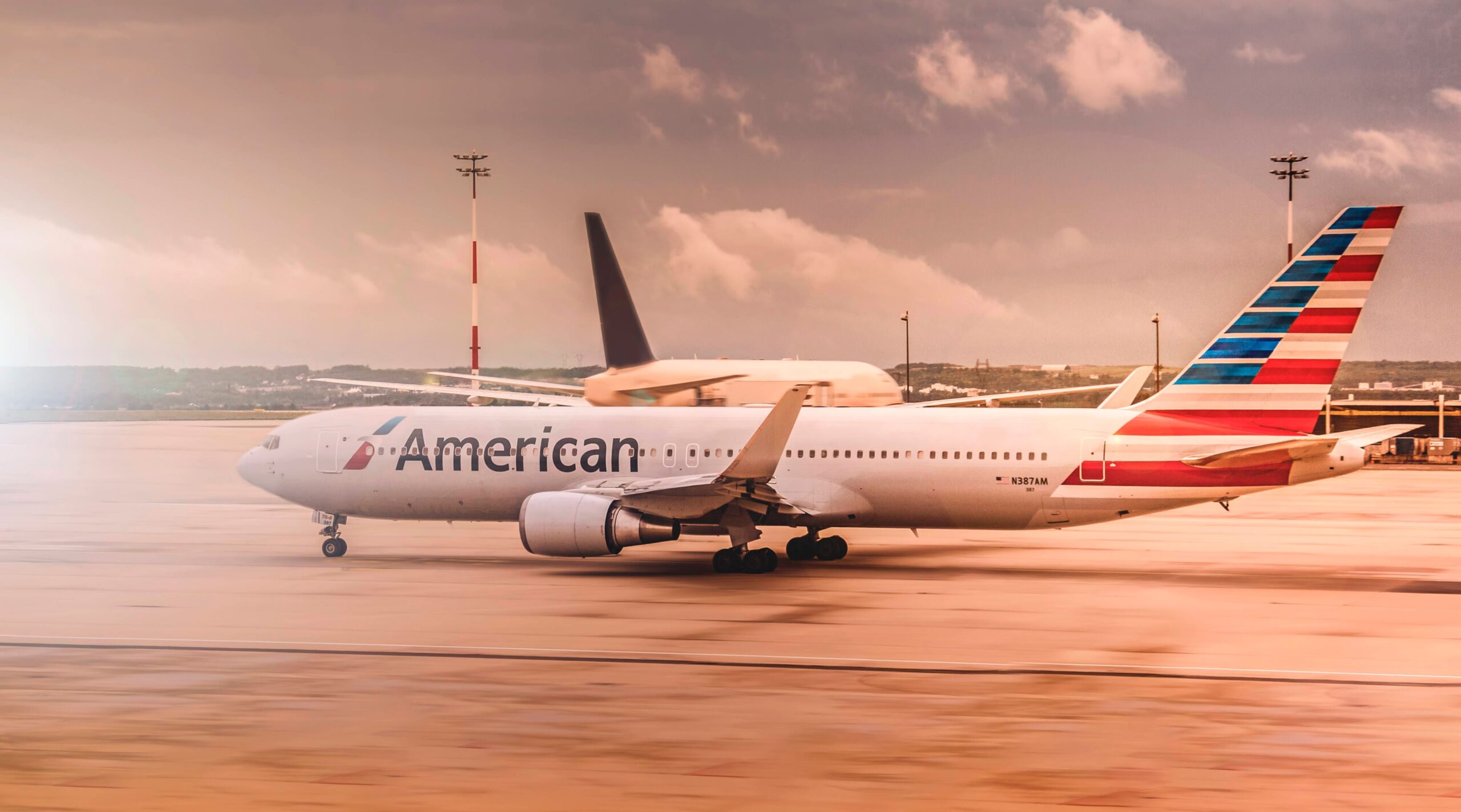
An American Airlines Boeing 787-9 Dreamliner operating Flight AA719 from Rome Fiumicino (FCO) to Philadelphia (PHL) was forced to make an unscheduled diversion to Dublin Airport (DUB) after a sudden medical emergency affected most of its cabin crew mid-flight.
About four hours into the trip, while cruising at 39,000 feet over northern Europe, approximately six of the nine flight attendants on the flight reported feeling dizzy, and unconscious. With two-thirds of the cabin crew incapacitated, the pilots made the decision to turn the aircraft toward Ireland. The jet landed safely on runway 28L at Dublin Airport roughly six hours after departing Rome, where emergency responders and medical teams met the plane on the tarmac.
The flight was operated by a Boeing 787-9 delivered in 2019 (registration N840AN). American Airlines staffs its legacy 787-9 aircraft with nine cabin crew members—one above the minimum required by the Federal Aviation Administration (FAA). Because safety regulations strictly mandate a minimum ratio of flight attendants to passengers, losing six crew members meant the flight could not safely continue across the Atlantic to Philadelphia. The aircraft remained grounded in Dublin, with a replacement flight scheduled for two days later to complete the trip.
What Caused the Crew to Fall Ill?
Though aviation authorities have not officially verified the actual cause,it came to their attention that information shows an environmental bad situation localized inside the passenger cabin rather than a foodborne illness or infectious virus. Importantly, the pilots did not report symptoms, and there was no rapid emergency descent, suggesting the hazard was confined to specific cabin or galley zones.
Several potential causes have been highlighted by aviation experts:
- Air Conditioning Pack Malfunctions: The Boeing 787 features a unique environmental control system. Unlike traditional commercial jets that use “bleed air” drawn directly from the aircraft’s engines, the Dreamliner uses electrically powered cabin air compressors to draw fresh outside air into the cabin. If an air conditioning pack fails or underperforms, oxygen pressure levels in localized areas can drop, triggering early symptoms of hypoxia such as dizziness and lethargy.
- Dangerous vapor: Even without engine smoke, vapor can still enter the cabin air cycle through localized spills or electrical faults. Same issue occurred in 2019 on American Airlines Flight 729 (London to Philadelphia), which also was redirected to Dublin after a spilled cleaning solution in a galley seeped into carpet fibers, causing two flight attendants to suffocate.
Passenger Compensation Under EU261
Because Flight AA719 originated at an airport within the European Union (Rome Fiumicino), all passengers are protected under EU Regulation 261/2004, even though American Airlines is a U.S.-based airline.
Under EU261 regulations:
- Duty of Care: American Airlines is legally required to cover immediate costs resulting from the diversion, including meals, hotel accommodations in Dublin, ground transportation, and rebooking to Philadelphia.
- Cash Compensation: Because the flight was delayed over four hours arriving at its final destination on a long-haul route (>3,500 km), each passenger is entitled to €600 (~$650–$682 USD) in cash compensation.
- Total Airline Exposure: For a fully loaded 285-seat Boeing 787-9, total compensation payouts could approach $194,370.
The European Court of Justice has repeatedly held that unexpected crew illness is considered a normal operational risk and does not automatically qualify as an “extraordinary circumstance.” Unless American Airlines can prove the illness was caused by an external, unmanageable event, they remain legally obligated to honor claims, though passengers often have to push past initial automated rejections to receive their payout.