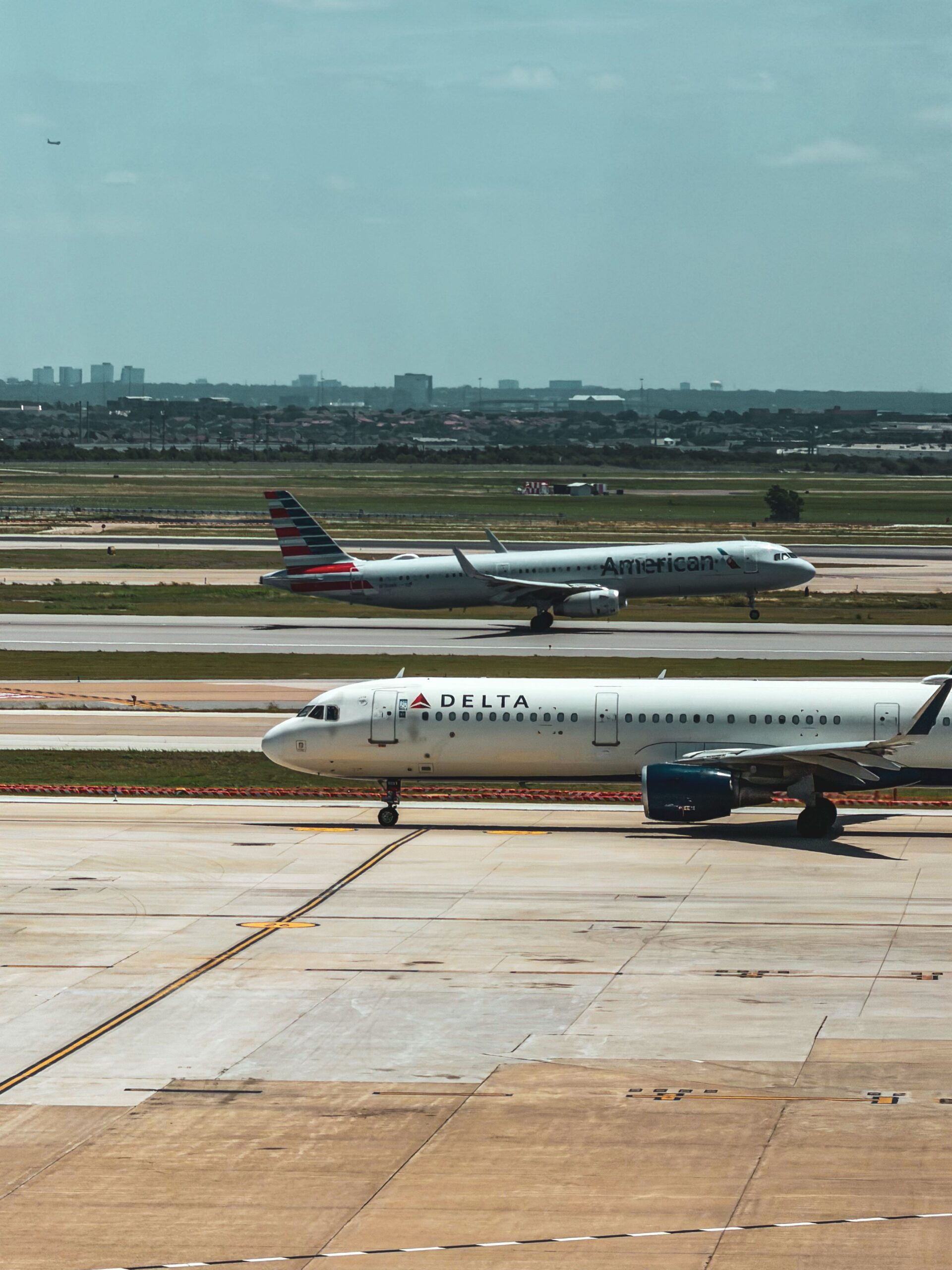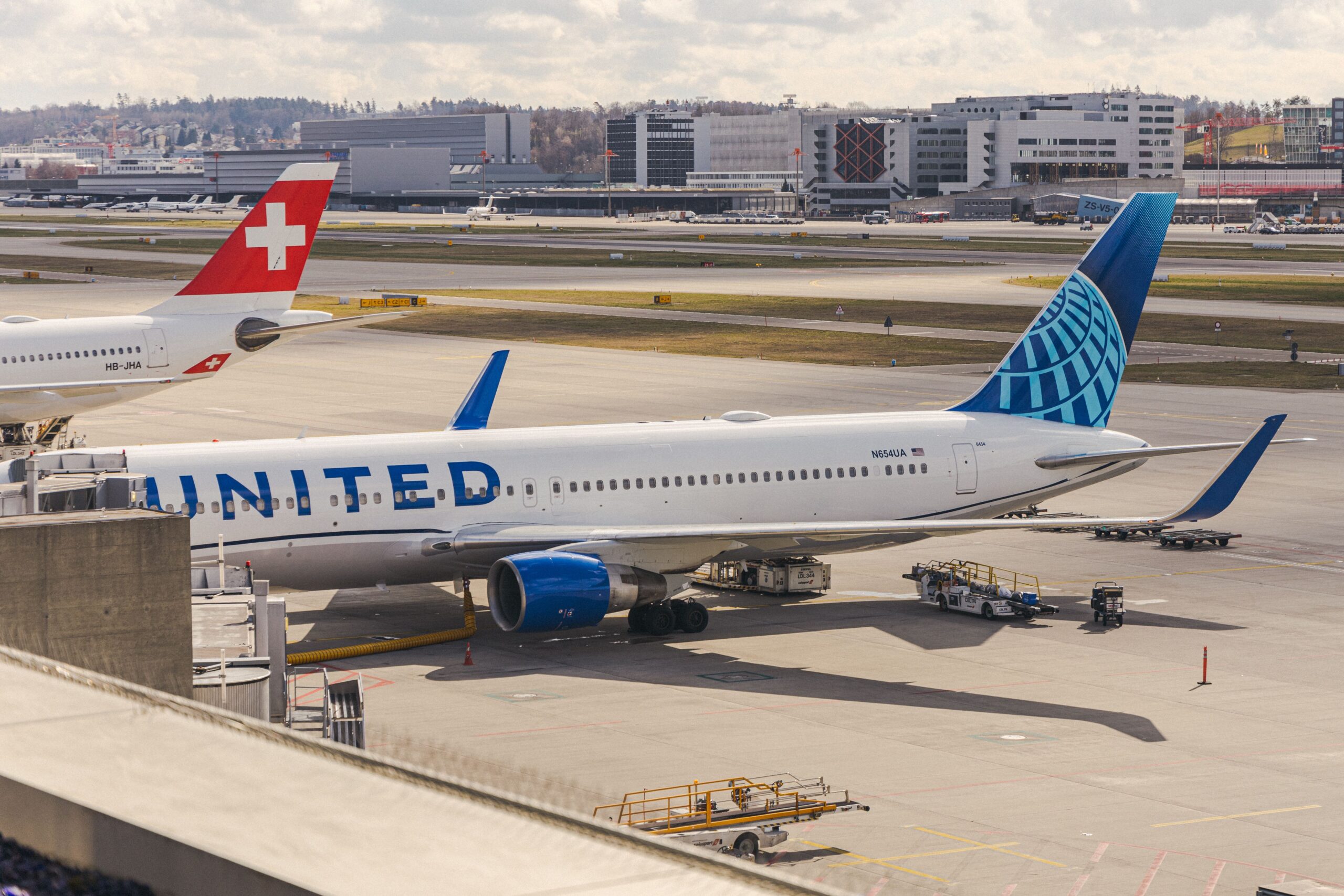
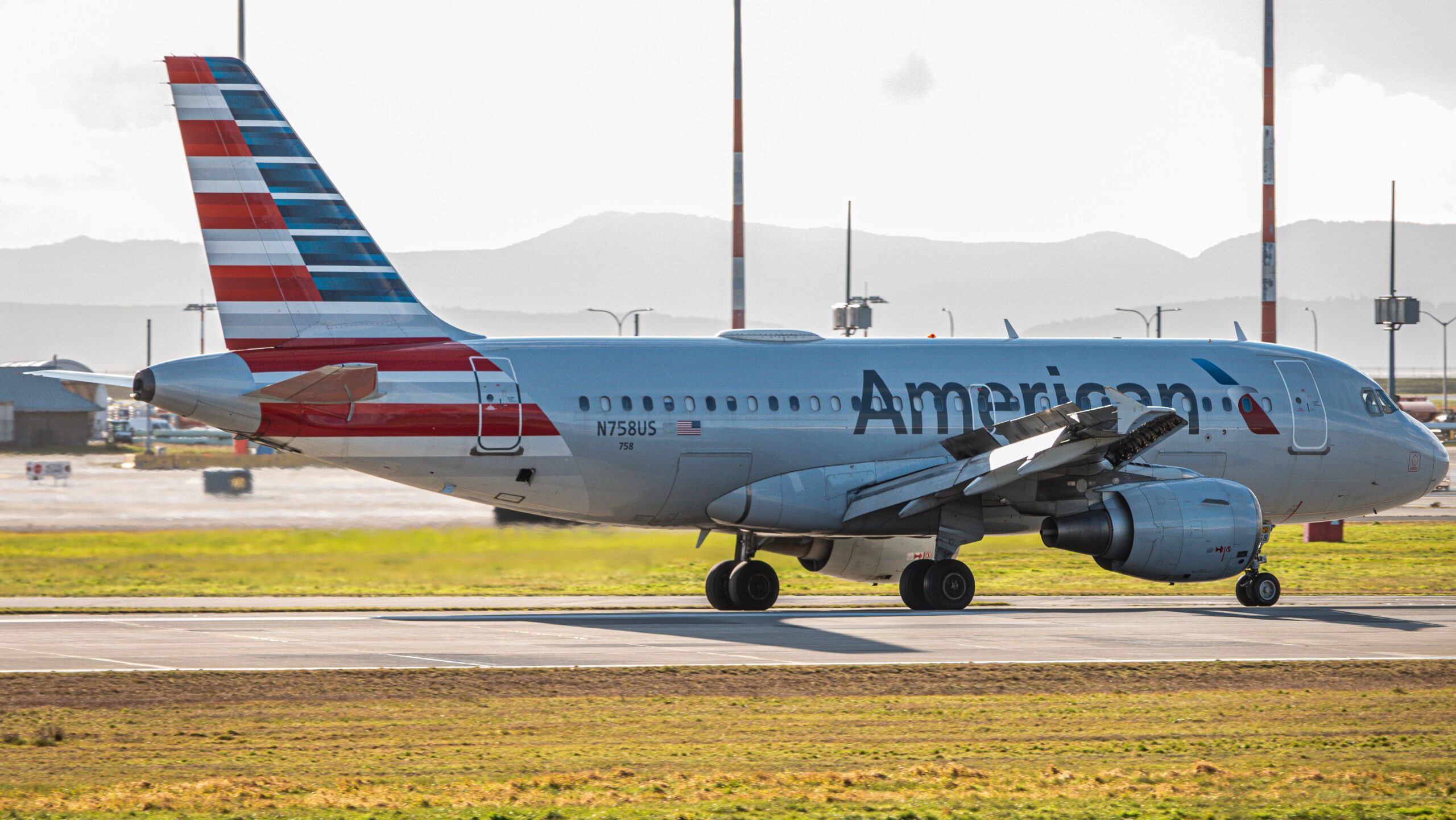
As the global airline industry grapples with highly volatile jet fuel costs, macroeconomic pressures, and fluctuating demand, most major carriers are pulling back. Their primary playbook is simple: restrict capacity, raise airfares, drive up yields, and boost load factors to protect their bottom lines. American Airlines, however, is taking a starkly different path.
In the second quarter, American’s capacity jumped 5.4%, and it projected a further 3% to 5% increase for the third quarter. While cutting flight capacity gives airlines tighter pricing power, American’s strategy relies heavily on sheer volume, flooding key markets with seats even as its closest peers pull levers to contract.
The Earnings Gap
Executives at American defended their expanded schedule on recent earnings calls, arguing that the increased capacity positions the carrier to capture maximum summer demand, grow market share in core domestic hubs, and lower unit costs.
However, Wall Street remains skeptical about whether American’s high-volume gamble is paying off compared to its competitors’ tighter capacity strategies. While American’s second-quarter results beat Wall Street expectations with a modest profit of $71 million, the carrier trailed far behind its primary legacy rivals:
- Delta Air Lines delivered a massive $1.6 billion profit over the same period.
- United Airlines pulled in $805 million in net income.
Delta and United relied on disciplined seat capacity, higher premium seat revenues, and lucrative international long-haul routes to generate significantly higher margins per passenger. By contrast, American’s decision to keep flying more domestic seats squeezed its overall yield, forcing it to carry more passengers at lower average fares just to maintain profitability.
Hub Restructuring and Record Summer Volumes
Despite the earnings gap, American Airlines executives insist that their capacity strategy is foundational to long-term operational and financial health.
- Rebuilt Hub Schedules: American overhauled its scheduling bank structure at major hubs like Dallas/Fort Worth (DFW) and Philadelphia (PHL) to maximize connection windows. Management argues that adding capacity allows them to operate more resilient, highly connected hub schedules rather than running isolated, high-margin point-to-point flights.
- Lowering Unit Costs (CASM): Flying more capacity spreads fixed operational overhead across a broader base of available seat miles. Executives maintain this keeps unit costs in check, helping offset broader inflation in labor and maintenance.
- Capturing Summer Demand: American projected a record-breaking summer travel season, forecasting over 75 million passengers across 750,000 flights. By out-scheduling competitors at mid-tier airports and core domestic hubs, American aims to win customer loyalty through schedule frequency rather than pure price gouging.
Risky Gamble in a High-Fuel Environment
The fundamental question facing American Airlines is how long it can sustain high capacity if fuel prices remain unpredictable or if domestic demand softens heading into the fall.
When jet fuel prices spike, extra seats become exponentially more expensive to fly. If aircraft cabins aren’t filled with high-yielding business or premium travelers, those extra flights quickly turn from revenue generators into cost sinks.
While Delta and United continue to lean on premium cabin upsells, corporate contracts, and strict capacity discipline to generate industry-leading margins, American is doubling down on scale and operational efficiency. Whether America can narrow the profit gap with its peers or if it will eventually be forced to fall in line and cut capacity, remains the central test for its executive team.