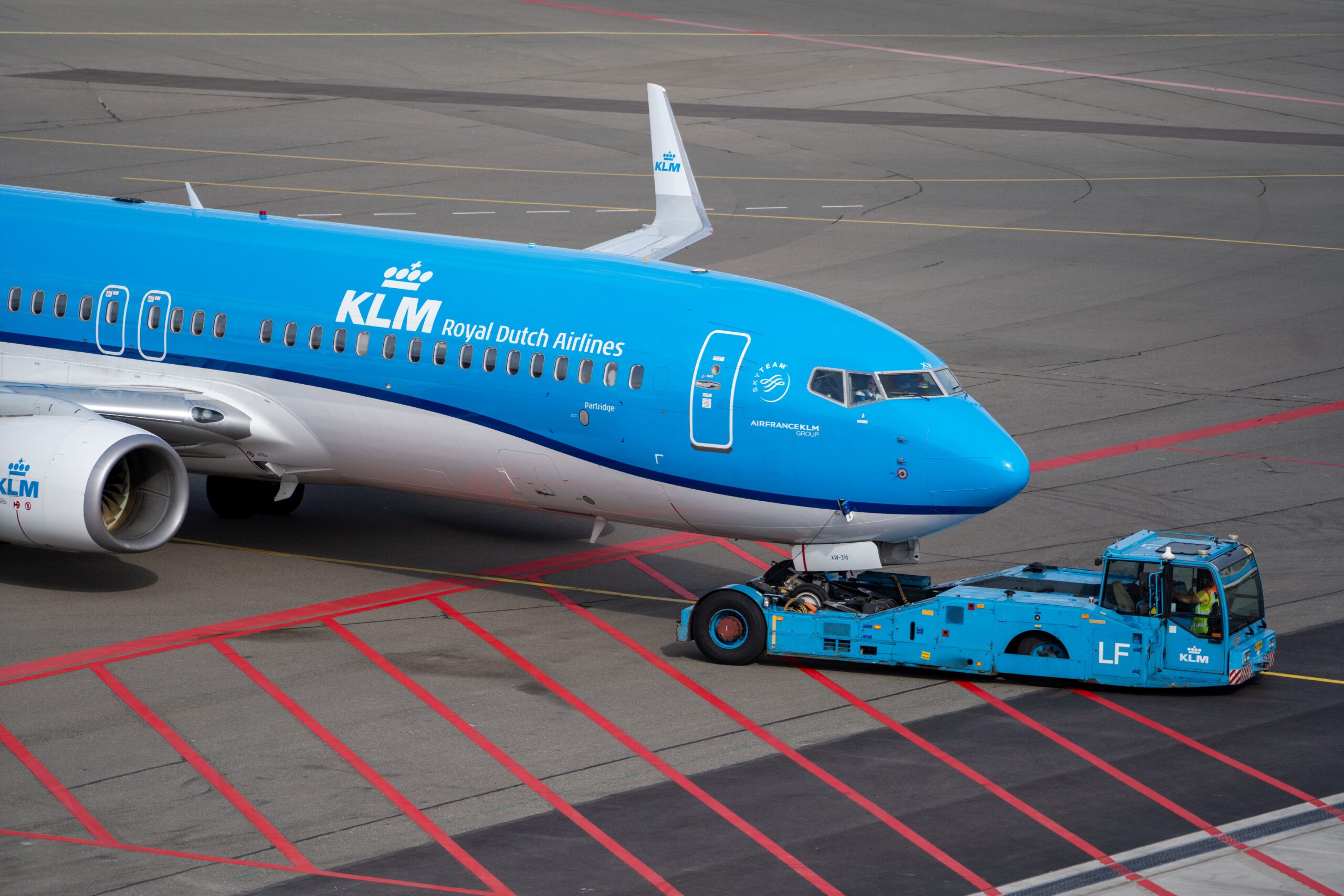
If you’ve ever spotted a KLM plane at an airport and noticed something slightly off, you’re not imagining things. While most of the fleet displays the full name “KLM Royal Dutch Airlines” alongside the iconic Dutch royal crown on the tail, a handful of Boeing 777s tell a different story. They feature the logo “KLM Asia” in plain font, completely stripped of the crown and royal title. The backstory behind these distinct planes comes down to geopolitical maneuvering, clever legal loopholes, and aviation history.
The Geopolitical Conflict (1990s)
During the 1990s, political tensions between the People’s Republic of China (mainland China) and the Republic of China (Taiwan) created a massive headache for international airlines.
Beijing imposed strict rules: any foreign airline that operated flights to Taiwan was prohibited from serving mainland China or flying through mainland airspace. For European carriers, choosing between Taiwan and the massive emerging market of mainland China was a commercial dilemma.
The Loophole
To bypass these restrictions without sacrificing either market, airlines discovered a loophole. Mainland authorities permitted airlines to fly to Taiwan as long as those flights were operated by a separately registered subsidiary using aircraft that did not feature national or royal symbols (like crowns or national flags).
In 1995, KLM established KLM Asia as a wholly owned subsidiary legally registered in Taiwan.
To comply with the rule:
- The royal crown was removed from the tail.
- “Royal Dutch Airlines” was dropped from the fuselage.
- The branding was modified to “KLM Asia”.
With this setup, standard KLM aircraft flew to mainland China (such as Beijing and Shanghai), while KLM Asia aircraft flew the Amsterdam–Taipei route.
Was KLM the Only Airline to Do This?
Not at all. Several major European carriers set up similar workaround airlines during the same era:
- British Airways created British Asia Airways.
- Air France operated Air France Asie.
- Swissair created Swissair Asia.
- Australia’s Qantas launched Australia Asia Airlines.
Over time, most of these carriers either retired their subsidiaries, rebranded back to mainline operations, or ceased flying to Taiwan altogether. KLM is the only European airline that still maintains this branding today.
What’s the Passenger Experience Like?
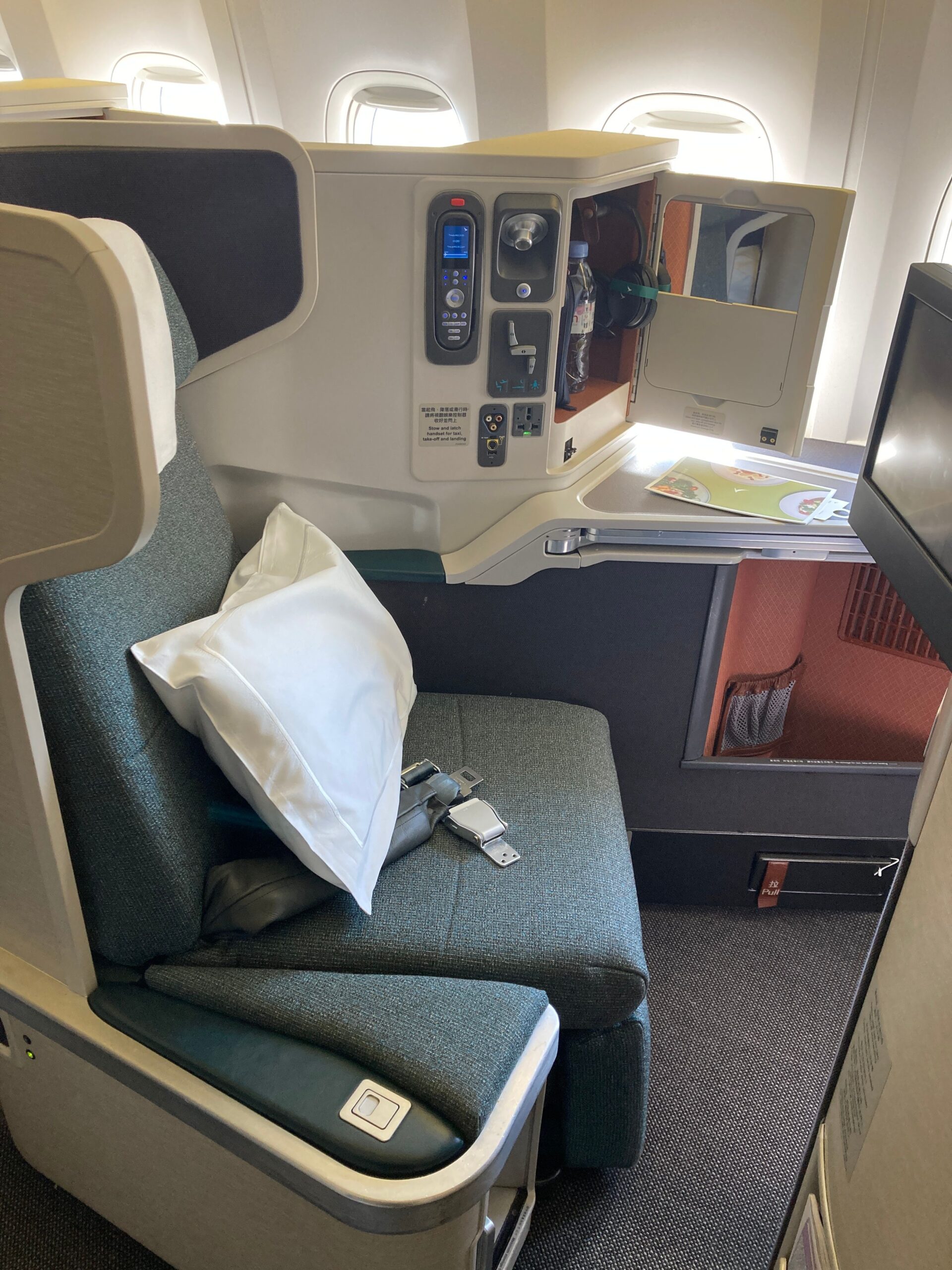
From a passenger perspective, there is zero difference. Inside the cabin, you get the exact same seats, inflight entertainment, food, beverage service, and KLM flight crew as any standard flight. The variation is purely on the exterior paint job and legal paperwork behind the scenes.
Why Does KLM Still Keep “KLM Asia” Around Today?
Strict aviation bans between mainland China and Taiwan were relaxed years ago, meaning airlines can now operate flights to both destinations under their main corporate brand without penalty.Despite this, KLM still operates around nine Boeing 777s featuring the KLM Asia livery. Today, these aircraft fly all over the world—not just to Taipei. KLM likely maintains the brand out of administrative convenience, fleet scheduling flexibility, or as a precautionary measure to keep its Taiwanese air operator license active just in case geopolitical rules shift again in the future.