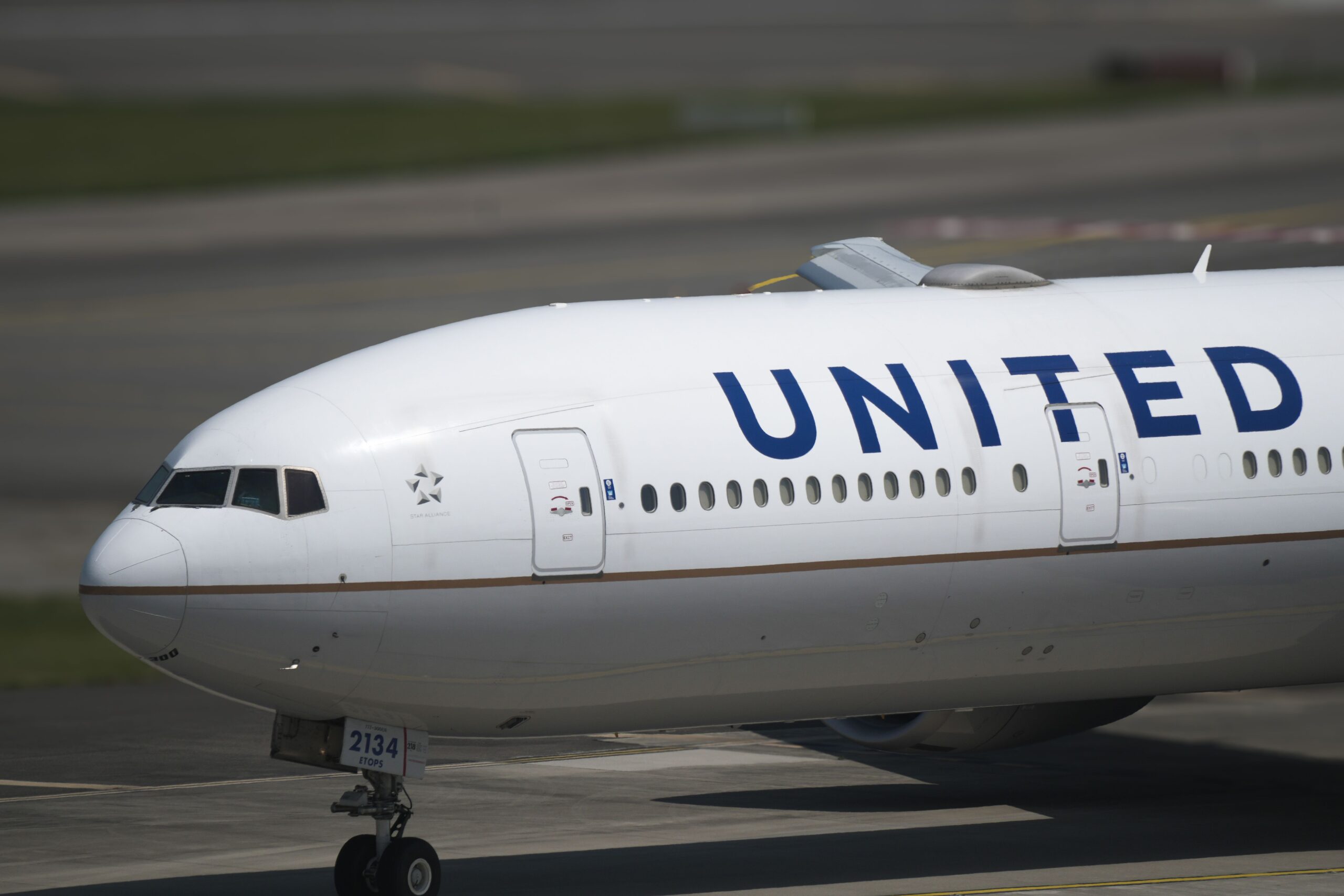
New reporting from The Wall Street Journal reveals that United Airlines CEO Scott Kirby reached out directly to Delta CEO Ed Bastian to propose a massive merger. While Delta’s team ran some initial numbers and took a look behind the curtain, the idea was quickly shelved.
This revelation comes shortly after reports that Kirby pitched a separate takeover of American Airlines during a White House visit. American’s board flatly rejected the idea, pointing out that a deal that big was dead on arrival purely on antitrust grounds.
Together, these moves highlight a clear strategy from United: a relentless drive to become the largest carrier in the world through mega-consolidation, regardless of the enormous practical hurdles in the way.
Why a United–Delta Deal Makes No Sense
Traditional airline mergers usually happen when a struggling carrier needs saving or when two smaller airlines need scale to survive. Combining United and Delta fits neither description.
- Delta is already the industry benchmark: Unlike American, which has struggled financially in recent years, Delta is widely considered the most profitable and well-run major airline in the country. United wouldn’t be stepping in to fix an underperforming asset; Delta is already firing on all cylinders.
- Regulation would destroy the value: To stand any chance of getting approved by regulators, a combined airline would be forced to give up its most valuable assets,prized airport gates, takeoff slots, and key routes. Chopping up those assets to satisfy the courts would defeat the whole purpose of merging.
- It’s size for the sake of size: Both airlines are already massive global powerhouses. Merging them isn’t about fixing operational gaps—it comes down to an ambition for sheer scale over shareholder value.
Massive Legal and Global Roadblocks
If two airlines this size tried to combine, they would run into a wall of regulatory opposition around the globe.
- Domestic Overkill: Together, Delta and United control roughly 35% to 37% of the US market. In major hubs like New York, they would control nearly half of all flights. In Los Angeles, they’d hold over a third. They also dominate regional partner networks through ties with carriers like Republic Airways and SkyWest.
- International Backlash: European, Asian, and Latin American regulators would almost certainly block the deal. Combining United’s Star Alliance ties with Delta’s SkyTeam partnerships would create an entity controlling around 40% of trans-Atlantic flights—a concentration of market power no foreign government would allow.
- Cultural and Labor Friction: Outside of pilots and dispatchers, most of Delta’s workforce is non-unionized, which gives the company significant flexibility and keeps costs down. Merging with a fully unionized airline like United would force unionization across Delta’s entire ground and cabin crew, instantly stripping away one of Delta’s biggest operational advantages.
Scott Kirby’s overtures to both Delta and American make one thing clear: United is actively hunting for a game-changing mega-deal. But between fierce antitrust opposition, global alliance conflicts, and zero operational logic, a United-Delta tie-up was never going to get off the ground.