It looks like a tragedy where almost everyone survived the crash landing, but dozens died simply because nobody told them what to do.
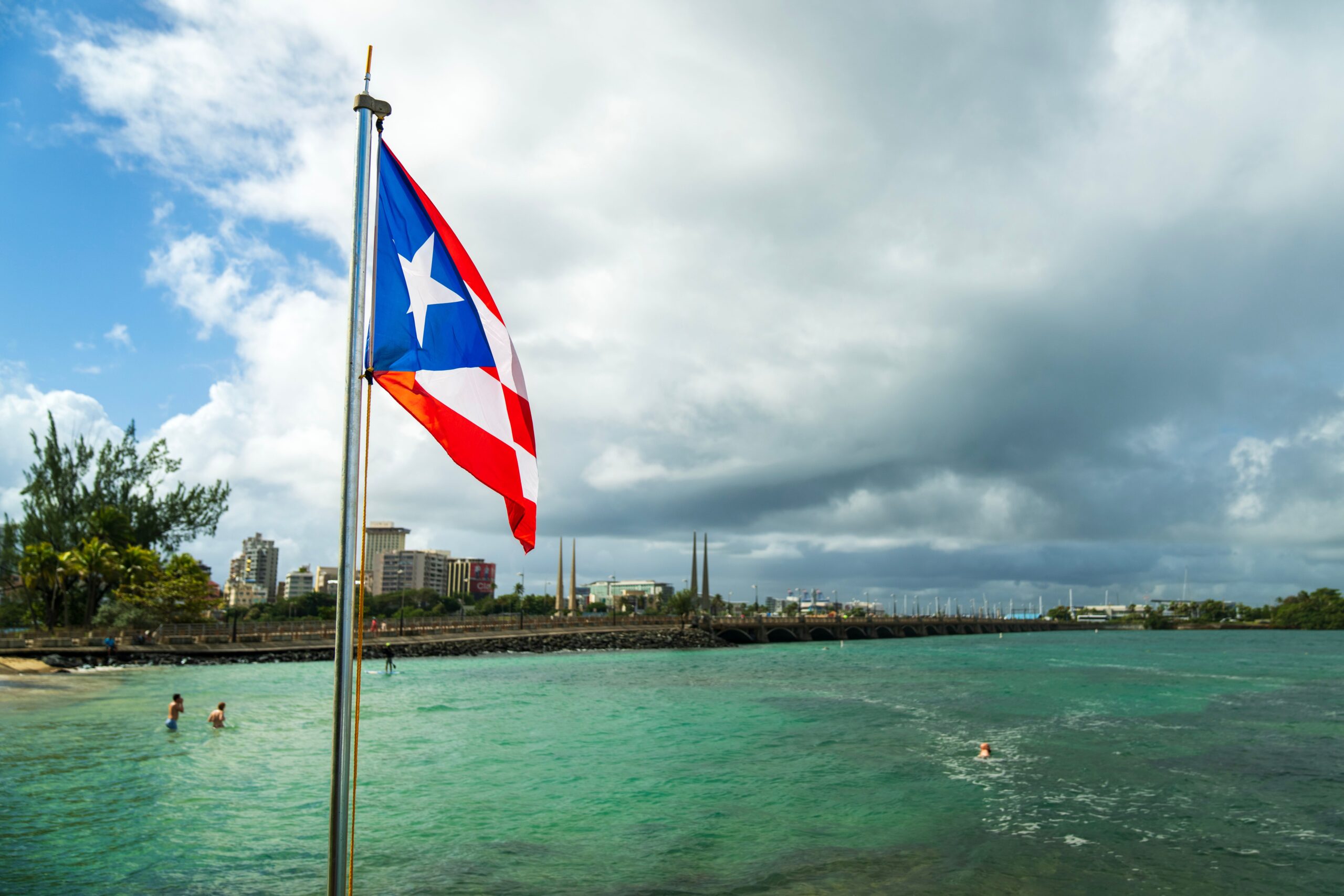
When Pan Am Flight 526A (Clipper Endeavor) was recently discovered resting nearly 2,000 feet beneath the Atlantic off the coast of Puerto Rico, it closed a 74-year-old deep-sea mystery. More than just a historic recovery, the disaster serves as the exact moment commercial aviation realized that onboard life-saving equipment is worthless if passengers don’t know how to access or use it.
A Preventable Disaster
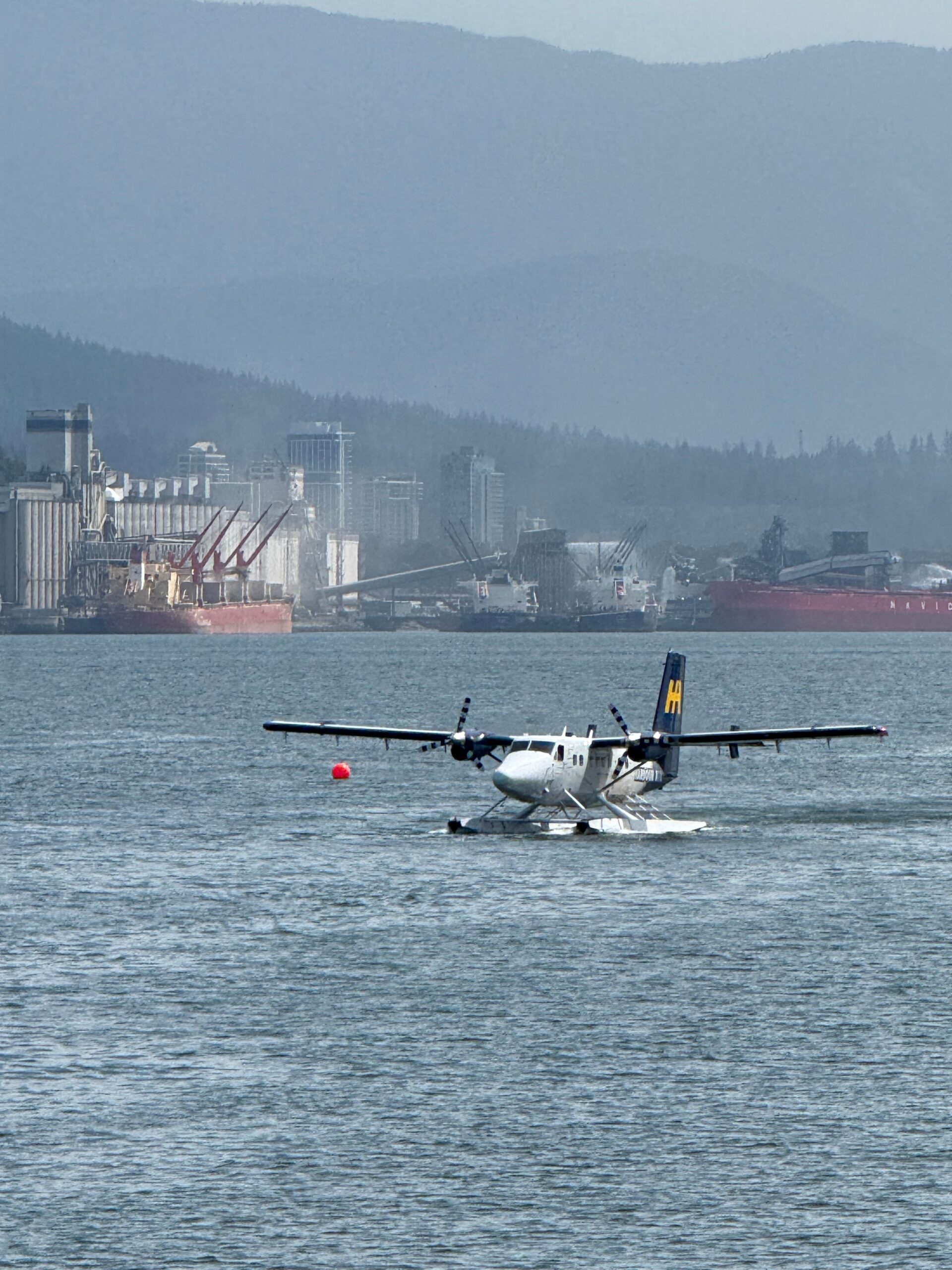
On April 11, 1952, the Douglas DC-4 lifted off from San Juan heading for New York. Just minutes into the flight, two of its four engines failed in quick succession. Realizing they couldn’t maintain altitude, the pilots turned back toward Puerto Rico and executed a forced water landing in rough seas.
Remarkably, every single person on board survived the initial impact.
The tragedy occurred during the attempt to escape:
- Zero Preparation: Passengers had never received any instructions on where emergency exits were located or how to put on life jackets.
- Locked Away Gear: Life rafts weren’t staged near exits; they were stowed away in an inaccessible crew compartment.
- Cabin Chaos: Confused and terrified, many passengers froze in their seats as water poured through the torn fuselage. The plane sank in under three minutes.
Out of 69 people aboard, all five crew members and only 12 passengers managed to escape the sinking airframe. The remaining 52 passengers drowned.
The Legacy in Today’s Cockpits and Cabins
The investigation following the ditching of Flight 526A forced aviation authorities to completely rethink cabin safety standards. It served as the direct catalyst for several rules that remain standard practice across the globe today:
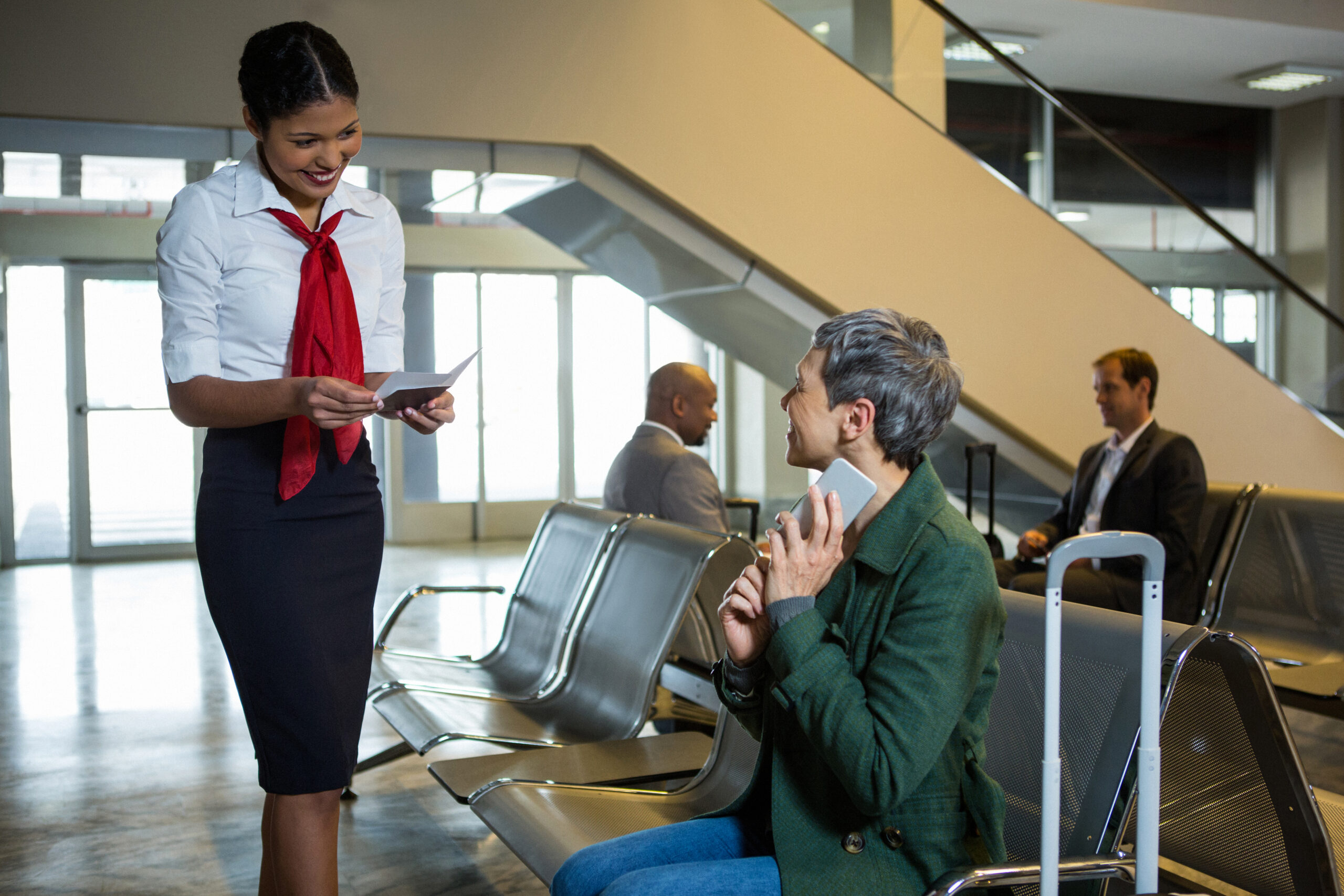
- The Modern Pre-Flight Safety Briefing: Airlines were mandated to verbally instruct passengers on emergency exit locations, life vest operation, and evacuation paths before takeoff on over-water flights.
- Accessible Flotation Gear: Life vests could no longer be stored away in crew lockers; regulations required them to be stowed directly beneath or beside every individual seat.
- Crew Evacuation Protocols: Emergency communication procedures between the cockpit and cabin crew were standardized to ensure passengers could be prepped before an emergency landing.
The next time you listen to a flight attendant demonstrate how to slip a life vest over your head or point out the nearest exits, you are seeing the direct safety legacy of Clipper Endeavor.