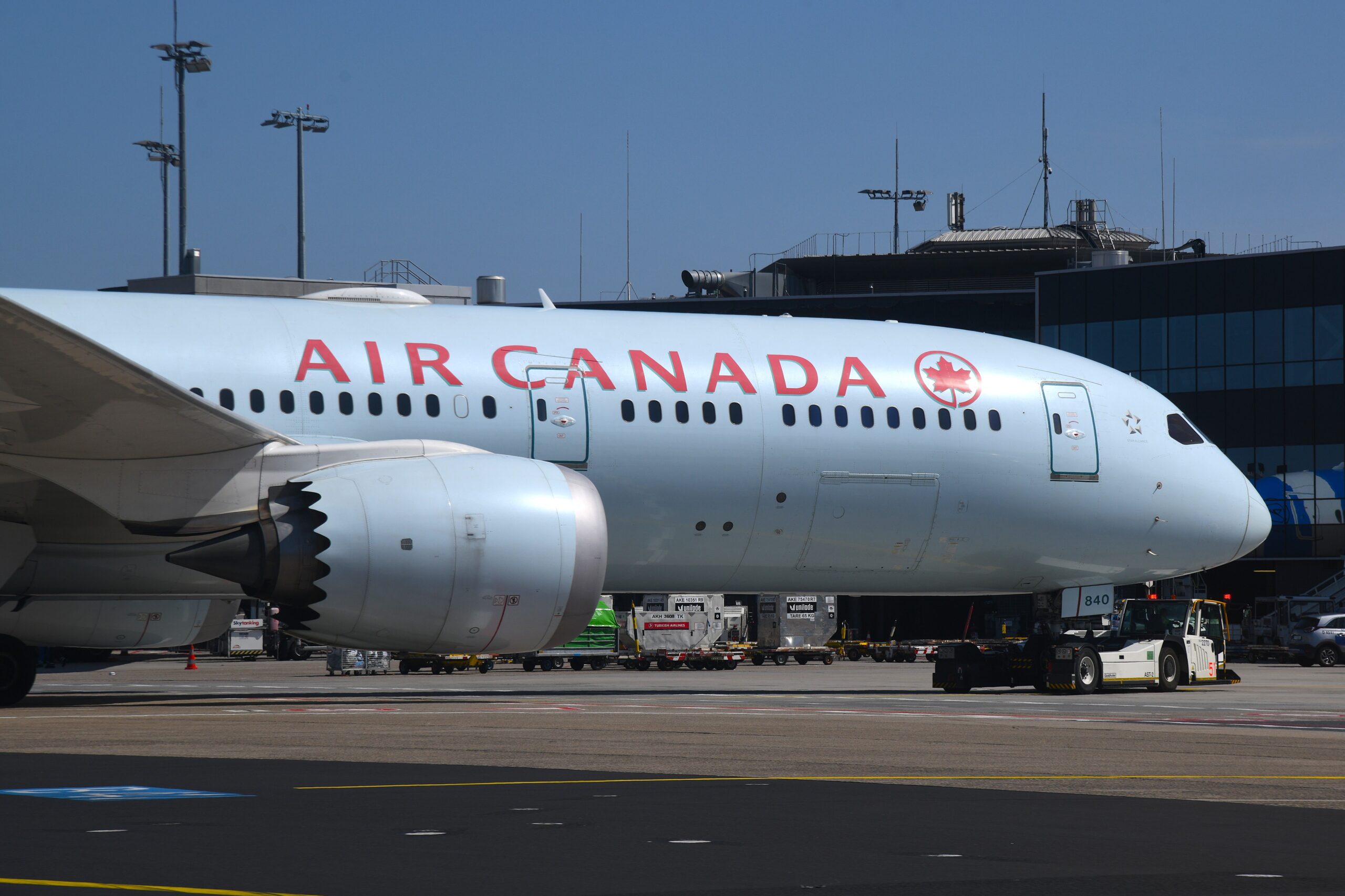
The European Commission proposed a long-awaited overhaul to its Emissions Trading Scheme (ETS). For years, the EU’s carbon market applied almost exclusively to flights traveling within Europe. Under the proposed update, international flights leaving or entering European airspace will have to pay for their carbon permits for the very first time. However, there is a massive catch that leaves the world’s biggest long-haul markets completely untouched.
The 5,000-Kilometer Loophole
To avoid diplomatic fights with global superpowers, the EU carved out a major exemption: flights covering more than 5,000 kilometers (around 3,100 miles) are completely exempt.
In practice, this means:
- Taxed: Medium-haul international routes connecting Europe to Northern Africa, the Middle East, or neighboring non-EU regions.
- Exempt: Long-haul routes connecting Europe to major global markets like the United States, China, India, and East Asia.
By drawing the line right at 5,000 kilometers, European regulators sidestep severe trade blowback from Washington and Beijing. At the same time, environmental groups point out that this excludes the actual flights responsible for the lion’s share of long-haul aviation emissions.
Private Jets Finally Get Pulled In
One major win for climate advocates in this proposal is the inclusion of private and corporate jets.
Historically, corporate aircraft operated under regulatory blind spots, avoiding the strict carbon-permit costs imposed on commercial airlines. By bringing business aviation into the ETS fold, regulators aim to address the disproportionately high carbon footprint per passenger that private flying creates.
What Does This Mean for Ticket Prices?
For everyday travelers flying short-to-medium distances, the added carbon charges will mean slight price increases at checkout, though the impact shouldn’t break the bank.
According to analysis by the climate advocacy group Transport & Environment:
- A short intra-European flight like Paris to Madrid will see tickets go up by roughly €10.
- A medium-haul flight like Paris to Istanbul will see an increase closer to €31.
While climate advocacy groups acknowledge that bringing more international routes and private jets into the carbon market is a step forward, many view the 5,000-kilometer cutoff as a political compromise that leaves the heaviest polluters off the hook. By giving transcontinental routes to the U.S. and Asia a free pass, Europe is taking a cautious step rather than a giant leap toward decarbonizing global air travel.